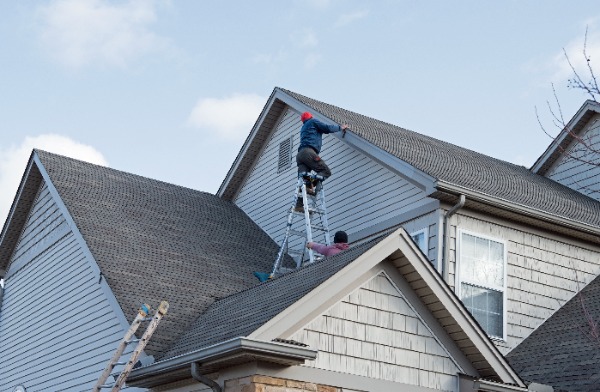
Your roof takes a beating in San Antonio. Between hailstorms, high winds, and brutal summer heat, it’s only a matter of time before you’re staring at damage and asking yourself: Does home insurance cover roof repair?
The answer depends on the cause of the damage and the terms of your policy. The longer answer is what this guide is for. At Roland’s Roofing, we’ve spent over 53 years helping San Antonio homeowners navigate the insurance process, and we’re here to break it down in plain English.
Does Home Insurance Cover Roof Repair?
Yes, home insurance can cover roof repairs, but only when the damage is caused by a covered peril. A covered peril is an event your policy specifically protects against. Common covered perils include:
- Hail damage
- Wind and storm damage
- Falling trees or debris
- Fire or lightning strikes
What insurance typically will not cover is damage caused by neglect, age, or general wear and tear. If your roof is leaking because it hasn’t been maintained or is simply old, your insurer is unlikely to pay for repairs. Insurance is designed for sudden, unexpected events, not gradual deterioration.
Can You Claim Roof Repair on Home Insurance?
Yes, you can claim roof repair under your home insurance policy, as long as the damage qualifies under your policy. Before filing a claim, it’s important to understand a few key factors:
1. Your Coverage Type
There are two main types of roof coverage:
- Replacement Cost Value (RCV): Pays the full cost to repair or replace your roof at today’s prices, regardless of the roof’s age. This is the more comprehensive option.
- Actual Cash Value (ACV): Pays the replacement cost minus depreciation. If your roof is 15 or 20 years old, the payout could be significantly less than the actual repair cost.
Knowing which type of policy you have before filing a claim is critical.
2. Your Deductible
Every claim is subject to a deductible, which is the amount you pay out of pocket before insurance kicks in. If the repair cost is lower than your deductible, filing a claim may not be worth it and could even affect your premiums.
3. Texas-Specific Considerations
Texas is no stranger to severe weather, which means roof claims are common here. However, it’s worth noting that in some Texas policies, wind and hail damage may require a separate deductible, typically a percentage of your home’s insured value. Always review your policy carefully or speak with your insurance agent to understand what applies to you.
How to Claim Insurance for Roof Repair: Step by Step
If your roof has been damaged by a covered event, here’s how to move through the claims process:
Step 1: Document the Damage Immediately
As soon as it’s safe, photograph and video your roof from every angle. The more documentation you have, the stronger your claim. If you’ve kept photos of your roof from previous years, pull them out too. They help establish the condition of your roof before the damage occurred.
Step 2: Contact Your Insurance Company
Report the damage to your insurer as soon as possible. In San Antonio, most homeowners have up to two years to file a roof damage claim, but the sooner you act, the better. Delayed claims can raise questions about the extent and cause of the damage.
Step 3: Get a Professional Roof Inspection
Before the insurance adjuster arrives, have a qualified roofing contractor inspect your roof. A professional can identify all the damage and provide a detailed written estimate. This documentation is invaluable when your insurer reviews your claim.
At Roland’s Roofing, we offer free roof inspections and will thoroughly document all damage on your behalf. We’ve worked with insurance companies for decades and know exactly what needs to be captured.
Step 4: Meet With the Insurance Adjuster
Your insurance company will send an adjuster to assess the damage. Having a roofing professional present during this inspection can make a real difference, as they can point out damage the adjuster may overlook and advocate for the full scope of repairs needed.
Step 5: Review the Insurance Estimate
Once the adjuster files their report, you’ll receive a breakdown of what’s covered, the estimated repair costs, and any depreciation applied. Review this carefully. If items are missing or the estimate seems low, you have the right to dispute it or request a re-inspection.
Step 6: Schedule Repairs and Receive Payment
Insurance payments often come in two installments: an initial payment upon approval and a final payment upon completion of repairs. Work with a licensed, reputable roofing contractor to complete the work and document everything for your insurer.
What Can Get Your Claim Denied?
Understanding what can trigger a claim denial helps you avoid surprises. Common reasons insurers deny roof claims in Texas include:
- Wear and tear or aging: Insurance won’t cover a roof that has simply reached the end of its lifespan.
- Lack of maintenance: If your roof shows signs of neglect like clogged gutters, missing shingles that were never replaced, or unchecked leaks, your claim may be denied.
- Pre-existing damage: Damage that existed before the covered event may be excluded.
- Policy exclusions: Some policies exclude certain types of wind or water damage. Read your policy carefully.
Tips to Protect Yourself and Your Roof
The best time to prepare for an insurance claim is before you ever need to file one. Here’s what we recommend:
- Schedule annual roof inspections, especially before and after storm season.
- Keep records of all roof repairs and maintenance, including dates, photos, and receipts.
- Review your policy yearly so you know whether you have RCV or ACV coverage, and whether wind or hail has a separate deductible.
- Don’t wait — if you notice damage after a storm, address it quickly before water intrusion causes secondary damage that may not be covered.
Watch Out for Roofing Scams After Storms
After major storms in San Antonio, out-of-town contractors often flood the area, offering quick, cheap repairs. These “storm chasers” do rushed work, disappear before problems surface, and can’t stand behind a warranty.One major red flag: any contractor who offers to waive your insurance deductible is asking you to participate in insurance fraud, which is illegal in Texas. If a contractor makes that offer, walk away. Always work with a local, established roofing company with a long track record of reliable storm damage repair in the community.
Roland’s Roofing: Your Insurance Claims Partner in San Antonio
Dealing with insurance doesn’t have to be stressful. Roland’s Roofing has been helping San Antonio homeowners navigate roof insurance claims and roof repairs for over 53 years. As a GAF Master Elite Certified contractor, we bring the expertise, documentation, and relationships needed to help you get the most out of your claim.
We offer:
- Free roof inspections and detailed damage documentation
- Assistance throughout the insurance claims process
- Transparent, itemized repair estimates
- Financing options to cover any gaps
If your roof has been damaged and you’re not sure where to start, contact us today for a free inspection. We’ll help you understand your options and take it from there.
Roland’s Roofing is a family-owned roofing company serving San Antonio, TX, and surrounding areas since 1970. Call us at (210) 543-7663 or visit rolandsroofing.com.